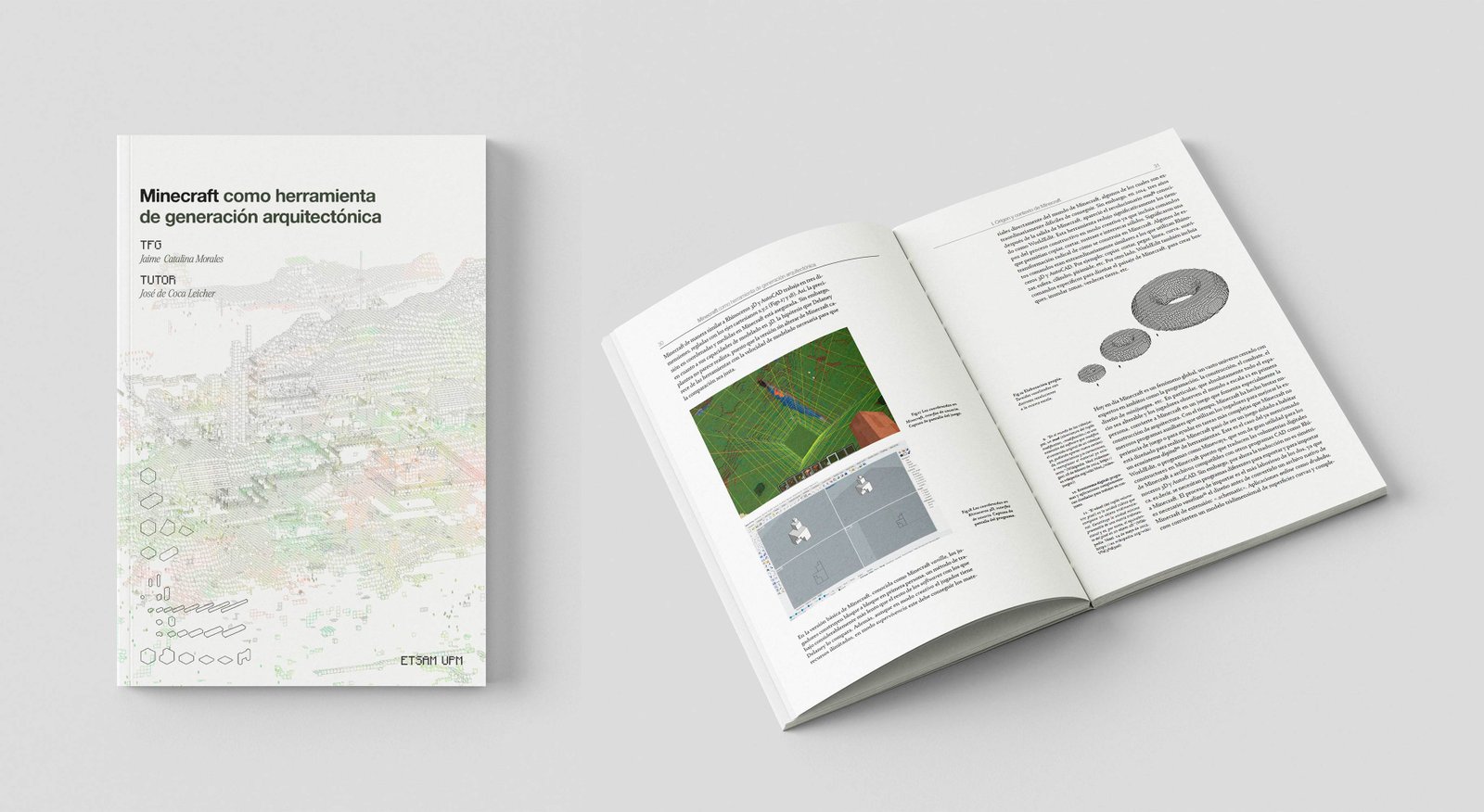
MINECRAFT AS A TOOL FOR ARCHITECTURAL GENERATION
This research explores the architectural, urban, and landscape possibilities offered by Minecraft, the best-selling video game in History.
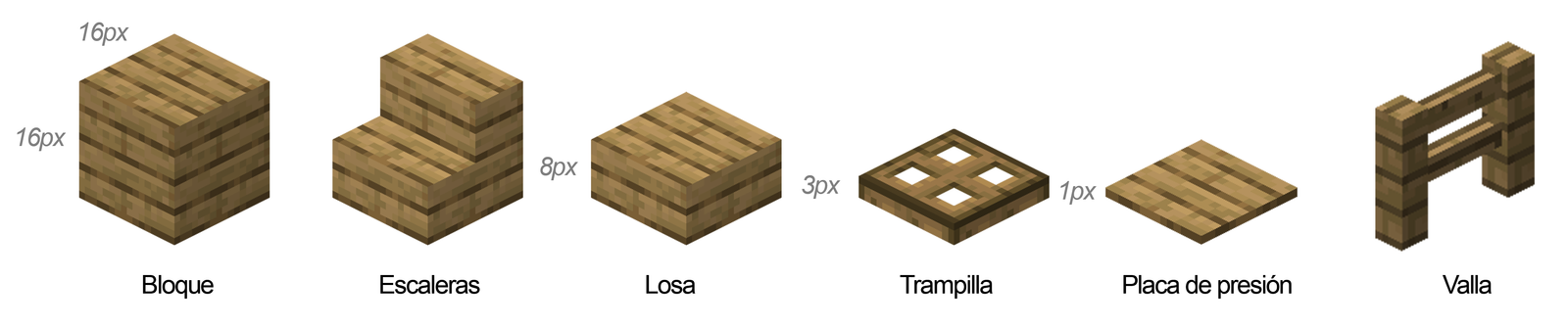
The player is immersed in a virtually infinite digital world composed entirely of 1×1×1 meter cubes. Each Minecraft world is generated automatically and randomly, simulating natural topographies and ecosystems: valleys, mountains, lakes, caves, and more. The game has no predetermined objective; players are free to build and destroy at will. This creative freedom has fostered extensive architectural development within the game, turning Minecraft into the most widely used 3D design tool in history.
.
2025
Author: Jaime Catalina
Supervisor:
José de Coca
Program:
ETSAM (UPM)
Minecraft can be understood as the most recent example in a lineage of modular games that have significantly influenced subsequent generations of architects, particularly those who grew up playing with them.
The first of these were the Froebel Gifts, a set of wooden pieces based on simple geometric forms, internationally popularized in the early twentieth century. According to Norman Brosterman, architects and artists such as Frank Lloyd Wright, Buckminster Fuller, Le Corbusier, Piet Mondrian, and Paul Klee were deeply shaped by their childhood experiences with these toys, particularly in their understanding of geometry, color, and volumetric play. Both Fuller and Wright publicly acknowledged this influence.
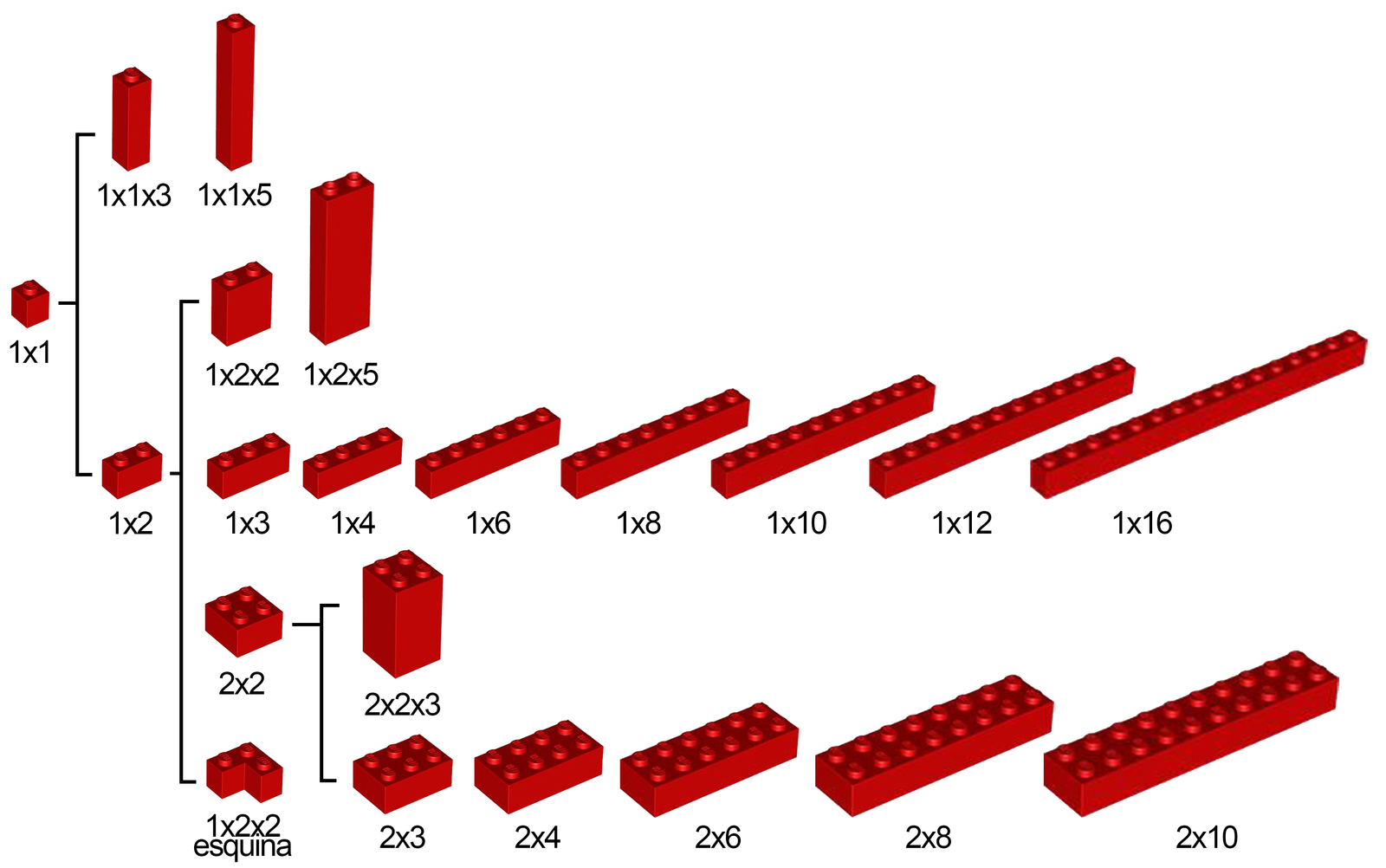
By the mid-twentieth century, the next evolution of the model emerged: LEGO, a more complex system with an extensive catalog of plastic pieces. Once again, later architects and artists such as Olafur Eliasson and Bjarke Ingels have drawn inspiration from the game as both a reference and a design tool. This modular system introduced new architectural ideas: architecture as a system, assembly and disassembly, and formal and programmatic
versatility.